From Yorkshire Workshops to Welsh Woodsheds: The Quiet Rise of British-Made Coffee Tables
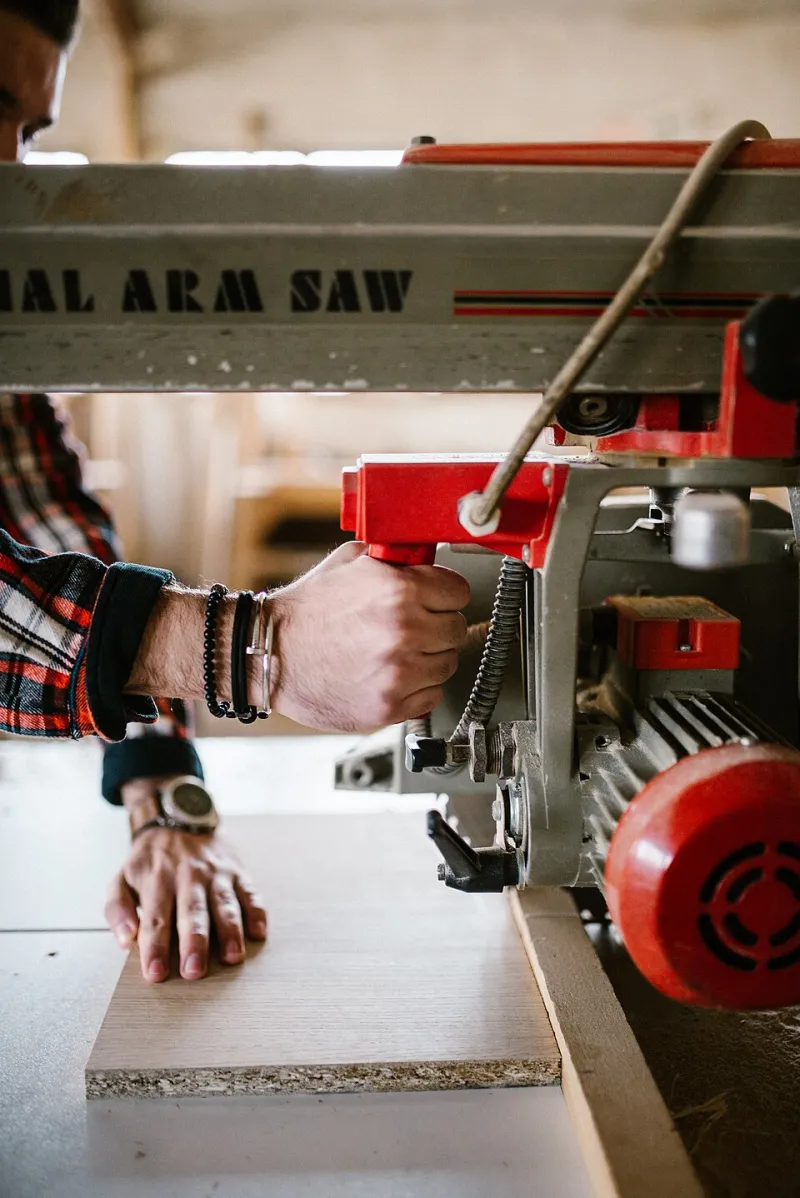
Photo: Shixart1985, CC BY 2.0, via Wikimedia Commons
There's a particular kind of satisfaction in running your hand along a coffee table that was made thirty miles from your front door, by a person whose name you actually know.
For years, that feeling came at a premium most of us couldn't justify. But something's shifted. Scroll through Instagram, wander around a local craft fair in Harrogate or Cardiff, or browse the growing 'Made in Britain' filters on furniture sites, and you'll spot it: a genuine resurgence in homegrown coffee table craftsmanship. And honestly? We're here for it.
Why Now?
A few forces have converged. Pandemic-era supply chain chaos made 'awaiting stock' the most hated phrase in furniture retail, and suddenly the six-week wait for a table built in Sheffield didn't seem so bad next to a four-month delay on a container from halfway around the world.
Then there's sustainability. Shoppers are increasingly wary of flat-pack pieces designed to survive one house move before heading to landfill. British makers, many working with reclaimed or locally sourced timber, offer a compelling counter-narrative: buy once, buy well, keep it for decades.
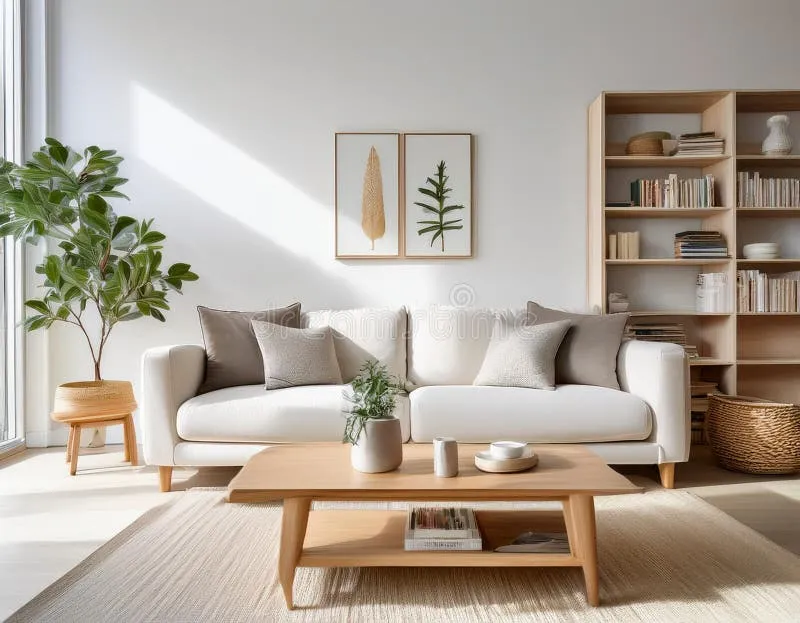
And perhaps most importantly, the design has caught up. The old stereotype of British craft as chunky farmhouse rustic has been thoroughly retired. Today's homegrown makers are turning out clean-lined, Scandinavian-adjacent pieces that would slot happily into any Instagram-worthy living room in Manchester or Bristol.
The Makers Worth Knowing
The Yorkshire contingent. God's Own County has quietly become a hub for quality timber furniture. Workshop brands around Leeds, Sheffield and Hebden Bridge specialise in solid oak and walnut pieces with a distinctly mid-century lean — splayed legs, soft edges, finishes you can practically smell. Expect to pay £400–£900 for a solid oak centrepiece, but you're buying something that'll outlive three sofas.
Reclaimed wood rebels in Wales. From the valleys to the coast, Welsh makers have built a reputation on character timber — old scaffolding boards, wine vat oak, beams rescued from barns. No two tables are identical, which is precisely the point. If you want a conversation starter rather than a catalogue clone, this is your lane.
Cotswolds and West Country studios. Small-batch makers here lean into English oak and burr finishes, often with a more refined, country-house feel. Perfect if your living room leans cosy rather than industrial.
The Scottish newcomers. A growing cluster of makers around Glasgow and Edinburgh are doing striking things with ash and elm, often with metalwork accents that give a nod to Scotland's industrial heritage.
Is British-Made Actually Worth the Extra Money?
Let's be honest about the maths. A flat-pack coffee table from a certain Swedish giant might cost you £60. A British-made solid oak equivalent might set you back £500. That's a big gap.
But here's the counter-argument. The flat-pack table is chipboard and veneer — one water ring from a hot mug and it's finished. The British table is solid timber that can be sanded back, refinished and passed down. Spread over twenty years, the cost difference starts to look rather sensible.
Then there's the delivery question. Anyone who's wrestled a mislabelled flat-pack box, missing a cam lock, at 10pm knows the pain. With British makers, you're typically dealing directly with the workshop. Delivery windows are clearer, problems get fixed by actual humans, and custom sizes are often a phone call away rather than a non-starter.
The trade-off? Lead times and price. If you need a table by the weekend and your budget is £100, British-made isn't your answer — and that's fine. But if you're furnishing a forever home, the case is strong.
Our Take
We think the moment for British-made coffee tables isn't a fad — it's a correction. After two decades of disposable furniture, shoppers are remembering that a coffee table is often the hardest-working piece in the living room. It holds the tea, the feet, the remote controls, the toddler's crayons and the occasional catastrophic glass of red.
It deserves better than chipboard.
So next time you're browsing, filter by 'made in the UK' and see what turns up. Your living room — and a workshop somewhere in Yorkshire, Wales or Fife — will be all the better for it.