Marketplace Bargain or Designer Splurge? What Your Coffee Table Budget Actually Buys You
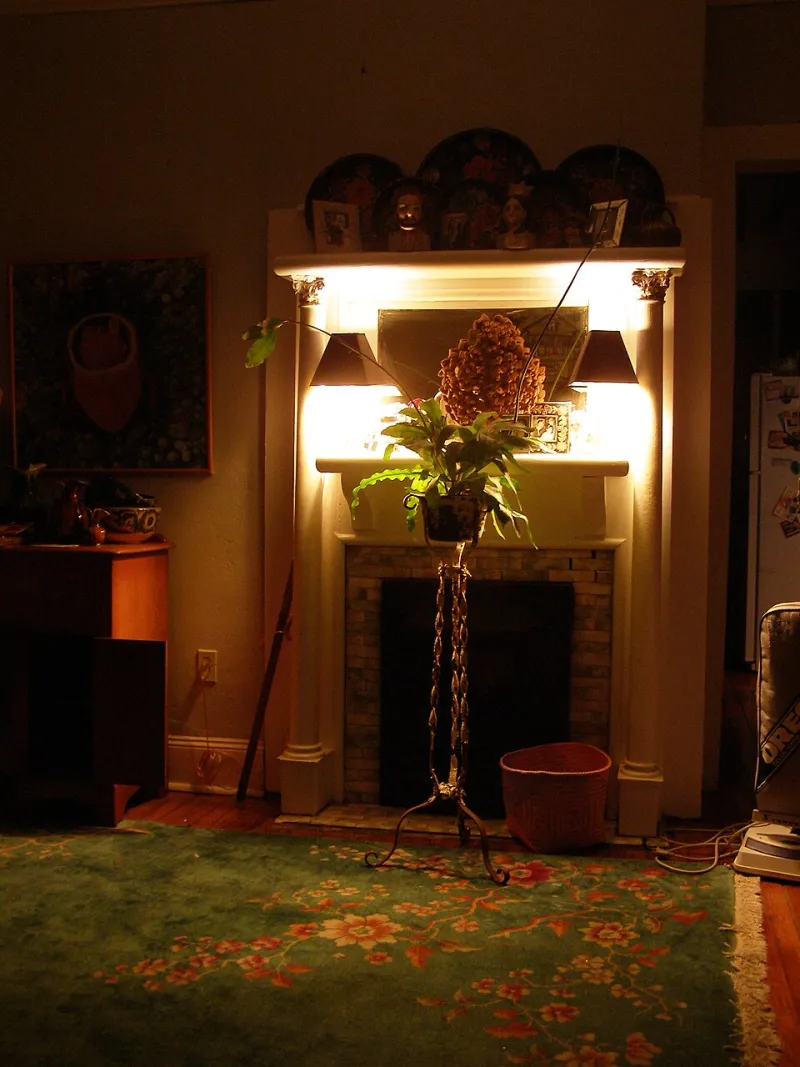
Photo: Shixart1985, CC BY 2.0, via Wikimedia Commons
Here's an opinion you're free to disagree with: the coffee table is the one piece of living room furniture where price and quality have almost nothing to do with each other. I've seen £1,200 tables that wobble and £65 Marketplace gems that will outlive us all. So let's walk the price ladder and work out where your money actually goes — and where it disappears.
Under £75: The Treasure Hunt Tier
Facebook Marketplace, Gumtree, charity shops and the end of car boot sales — this is where UK living rooms are quietly furnished. Solid pine and oak tables from the 80s and 90s are practically given away because they're deemed unfashionable. A tin of paint, new castors, done.
What you're risking: no returns, no guarantees, and the occasional seller who doesn't turn up. But for the patient shopper, this tier delivers the best pound-for-pound quality in the entire market.
£75–£250: The Flat-Pack Middle Ground
This is where most of the UK shops, and honestly, there's little to be embarrassed about. High-street retailers have refined their budget ranges to the point where a £140 laminate table can look genuinely smart. The finishes are consistent, the delivery is straightforward, and if your taste changes in three years, you've not lost the deposit on a kitchen.
Where the money goes instead of into the table: packaging, logistics and marketing. That's not a scandal — it's the cost of convenience. Just know that you're buying a look, not a heirloom.
£250–£600: Where Value Peaks
In my view, this is the sweet spot, and it's not close. At this level you start getting solid timber rather than veneer, proper joinery instead of cam locks, and finishes that can be repaired rather than replaced. Buy once in this bracket and you may never buy again.
The key is checking the spec sheet. "Oak-look" means veneer or laminate; "solid oak" means the real thing. Retailers are legally required to be accurate, so read the small print rather than the product photography.
£600–£1,500: The Designer Question
Now we're into branded territory — the Scandinavian names, the design-house collaborations, the pieces you've seen in magazines. Some of it is genuinely excellent: better proportions, more interesting silhouettes, materials you can't get at the big-box stores.
But a chunk of what you're paying is the name on the label. And this is where the 'dupe' economy thrives: high-street brands reverse-engineer the shapes and sell them at a third of the price. Sometimes the dupe is a cynical cash-in with poor materials. Sometimes it's near-identical. The only way to tell is to get hands-on — check drawer runners, table edges and the weight of the piece. Quality has heft.
£1,500+: Buy It Because You Love It
Above this line, you're no longer buying function — you're buying sculpture, provenance, or a designer's signature. If a hand-finished walnut piece from a British workshop makes your heart sing and the budget allows, crack on. Just don't pretend it's an investment. Furniture, mostly, depreciates.
The One Thing Always Worth Paying For
Whatever your budget, spend extra on this: the finish. A solid surface that can be sanded, oiled or refinished will outlast three cheaper tables and look better doing it. A table with a pretty shape and an unfixable finish is a rental car — pleasant, temporary, someone else's problem in five years.
The Bottom Line
My honest ranking of value per pound: Marketplace first, the £250–£600 bracket second, designer pieces a distant third unless the design genuinely moves you. The £50 rule — if a table costs more than £50 more than the nearest equivalent, ask exactly what you're getting — has served me well for years.
Measure your space, read the spec, and buy for the surface, not the silhouette. Your future self, polishing out that first ring of builder's tea, will thank you.