Put the Kettle On: Why Your Next Coffee Table Should Pass the Tea Test
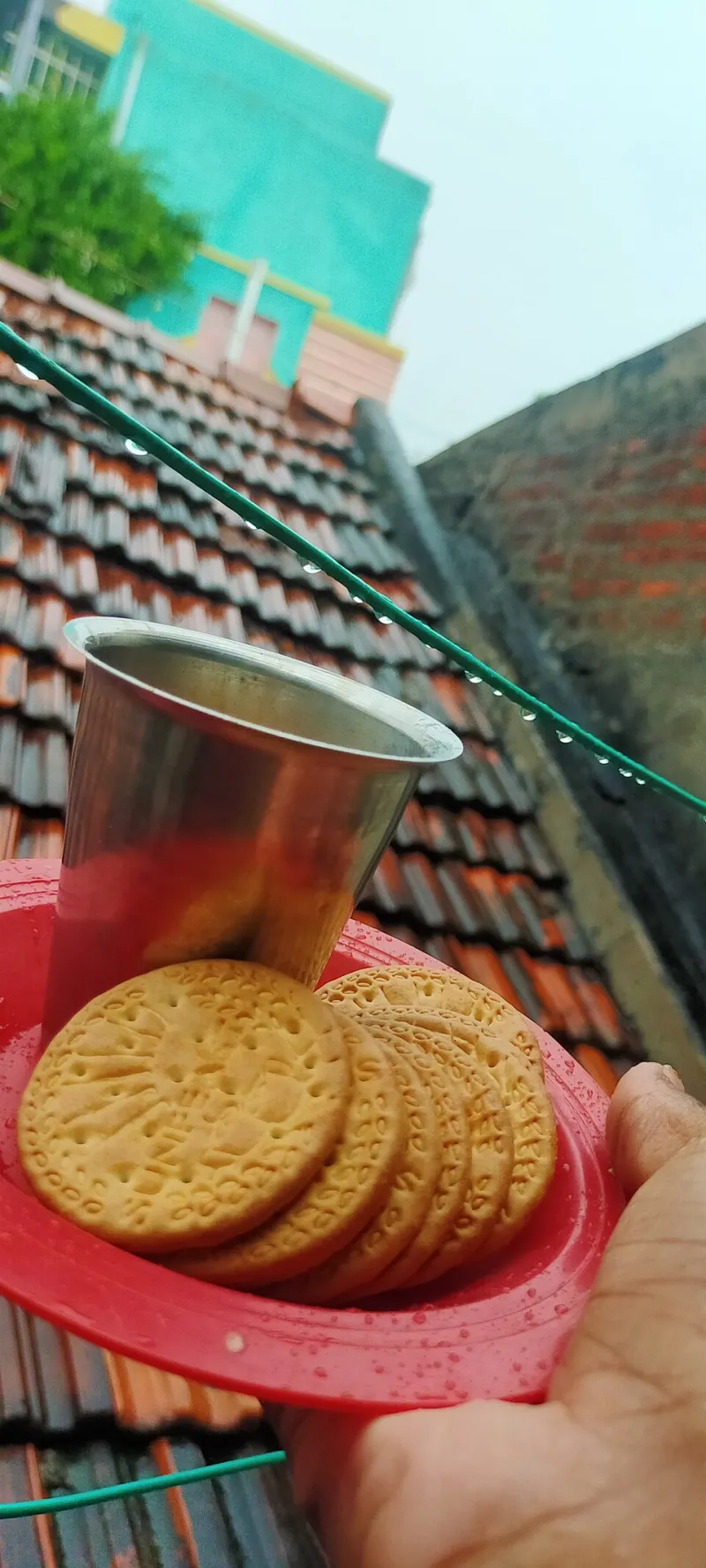
Photo: DEEPAN RAJA .M, CC BY-SA 4.0, via Wikimedia Commons
Let's be honest: in most British living rooms, the coffee table isn't really for coffee. It's a tea station, a biscuit depot, a coaster graveyard and the landing pad for the remote control — often all at once. Yet when we shop for tables, we obsess over oak veneers and Scandi silhouettes while completely ignoring the one job that matters most: supporting the national brew.
We think that needs to change. So we've drawn up the Tea Test — five questions every table should answer before you part with your money.
Question One: Can It Survive a Mug Ring?
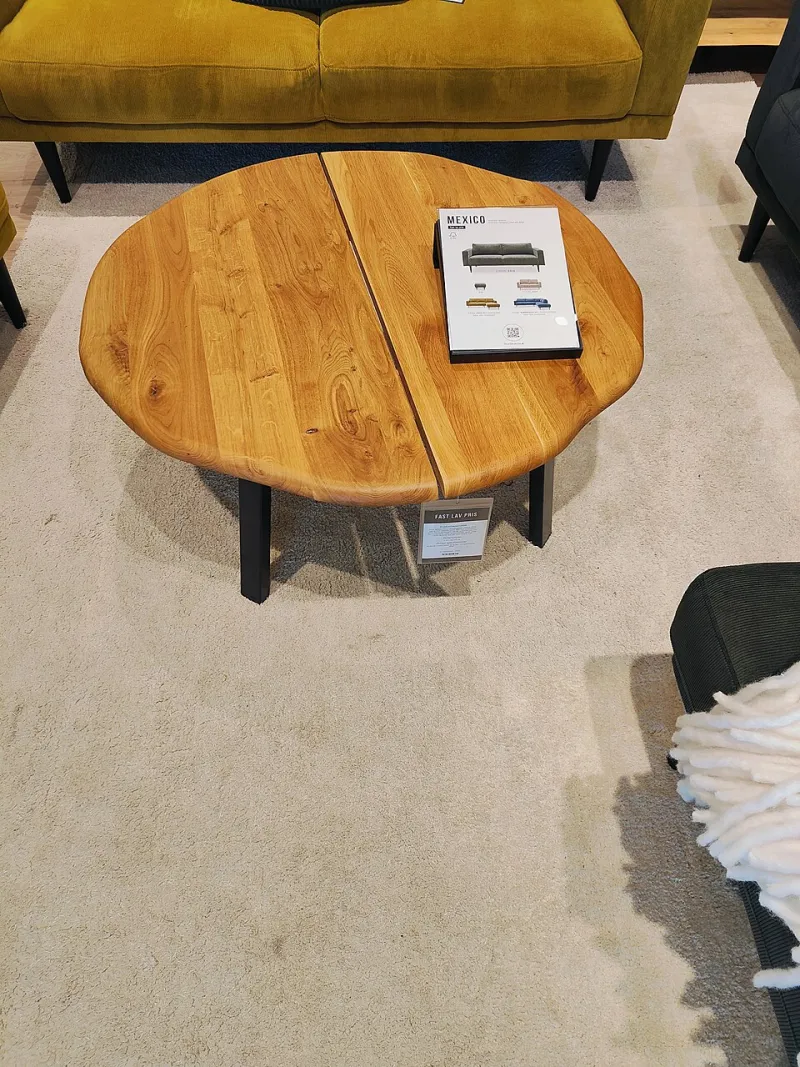
The classic tea casualty is the hot mug placed directly on a surface, leaving a ghostly ring that outlasts most relationships. Glass tables laugh this off but show every fingerprint and smear. Solid hardwood with a good lacquer shrugs off heat and moisture. Untreated oak, rattan and cheap laminate? Those are the ones that'll carry the scar of every Builders' tea you've ever poured.
If your heart is set on a raw or matte-finish table, do yourself a favour and buy a handsome tray at the same time. Which brings us neatly to...
Question Two: Is There Room for the Tray?
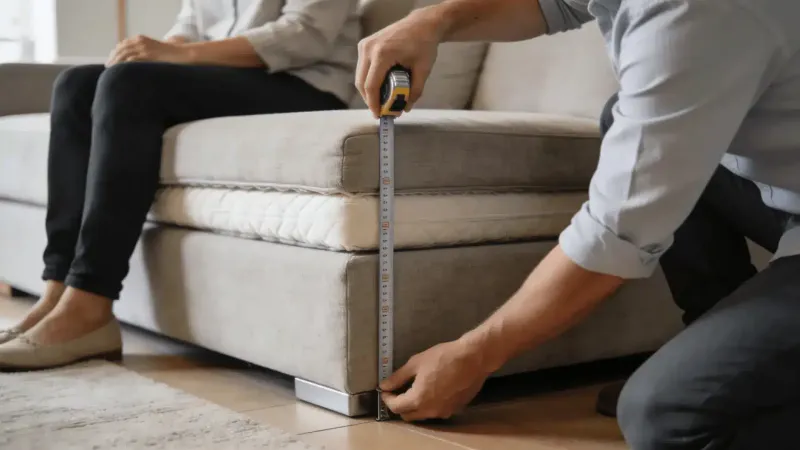
A decent tray is the unsung hero of British tea service — it corrals mugs, catches drips and gives biscuit tins somewhere respectable to live. But a tray needs real estate. Measure it before you buy, and make sure the table still leaves space for a couple of coasters and, crucially, your feet (if you're a foot-rest-on-the-table household, no judgement).
As a rule of thumb, a table around 100–110cm long gives you tray plus two mugs plus a packet of Custard Creams without everything feeling like a game of Jenga.
Question Three: Is the Dunking Height Right?
This is the bit nobody talks about. There's a sweet spot between sofa seat and tabletop where dunking becomes effortless — mug down, biscuit in, lift, sip, repeat — without any awkward leaning. For most UK sofas, that means a table roughly 40–45cm high. Go much lower and you're doing yoga; much higher and you're eating off a dining table like it's Sunday lunch.
Question Four: Where Do the Crumbs Go?
Dunking is a messy business. A table with a lower shelf or a drawer gives crumb fallout somewhere to hide until you next get the vacuum out. Glass tops with open frames, by contrast, turn every crumb into a visible crime scene. If you're a family of dunkers, favour tables with some form of concealment — even a chunky design with a hidden cavity will earn its keep.
Question Five: Will the Coasters Actually Be Used?
Every household owns coasters; almost nobody uses them. The trick is making them convenient. A table with a small drawer or a dedicated spot for a coaster stack removes all friction — and if your table has a beautiful timber top, you'll want that protection more than ever.
Our Picks by Brewing Style
The Quick Cuppa household (three mugs an hour, no ceremony): a lacquered oak lift-top table with storage. Wipe clean, hides everything, tough as old boots.
The Proper Tea Ceremony type (teapot, strainer, the works): a larger rectangular solid wood table with a lower shelf for a tea trolley's worth of kit, plus room for a statement tray.
The Flat-Dwelling Brewer: a compact round table, 70–80cm diameter, glass or sealed timber. Round means no bruised shins, and there's always space for one more mug.
The Family Free-for-All: chunky pine or a reclaimed-wood piece with a drawer. It will take hits, spillages and the occasional toy crash, and it'll look better for it.
The Bottom Line
Aesthetics matter — we're a furniture site, after all. But a table that can't handle daily tea duty will look tired within a year, however stylish it was on day one. Shop for the brew first, the looks second, and your living room (and your Rich Teas) will thank you.